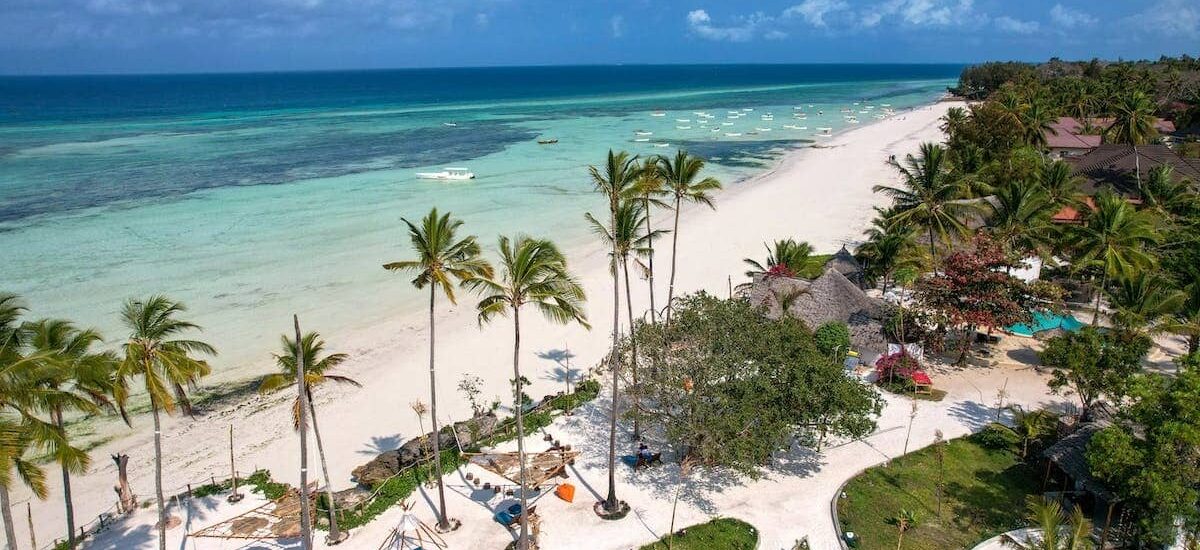
In the Indian Ocean lies a group of islets known as Zanzibar. It is a destination that evokes visions of breathtaking natural beauty, cultural richness, and captivating history. The scent of spices floating in the air, the white sandy beaches lined with palm trees, and the turquoise waters are defining features of this paradise. The bustling markets, winding alleys of Stone Town, historical sites, and the diversity of marine life make Zanzibar an unmissable vacation spot. This place invites travelers to discover a unique island life, far from the daily monotony.
Zanzibar: An Enchanting Island with Multiple Attractions
In the minds of many travelers, Zanzibar evokes a paradisiacal destination with its pristine beaches, turquoise water, and lush nature. However, some wonder if ‘Zanzibar dangerous country’ is a justified term to describe this magical island.
At first glance, it may seem paradoxical to associate Zanzibar with the notion of danger. This island offers breathtaking landscapes that attract tourists from around the world. Like any destination popular with international tourists, it is not without potential risks.
Poverty and theft can be issues in certain areas of Zanzibar. Visitors are therefore advised to exercise caution when visiting isolated or less frequented areas. By avoiding ostentatiously displaying your valuables and respecting local customs, you can minimize these risks.
Another concern relates to tropical diseases such as malaria or yellow fever that are present on the island. It is strongly recommended that potential visitors consult their doctor before departure to ensure all their vaccinations are up to date.
Despite this, ‘Zanzibar dangerous country’ would be an exaggerated term to describe this wonderful destination. With good anticipation and a respectful attitude towards the local environment and its inhabitants, your stay should proceed without any major issues.
Indeed, Zanzibar has much more to offer. Its rich history, unique architecture, and vibrant culture will satisfy travelers in search of authentic discoveries. The exceptional marine life offers an unparalleled opportunity for scuba diving.
Rather than associating ‘Zanzibar dangerous country’ with your next vacation planning, consider this place with realism and respect. With the appropriate precautions taken before departure and on-site, there is no doubt that Zanzibar will provide you with an enriching and memorable experience.
The Fascinating History of Zanzibar: A Blend of Cultures and Influences
The fascinating history of Zanzibar dates back centuries, when the island was an important trade crossroads on the spice route. Located off the East African coast, Zanzibar has been influenced by a multitude of cultures and influences that have shaped its unique identity.
During the first millennium, Arab traders began to settle on the island, bringing with them their language, religion, and traditions. These Arab influences are still visible today in the architecture of Stone Town, the historic center of Zanzibar listed as a UNESCO World Heritage site.
The 19th century saw the emergence of the Sultanate of Zanzibar, whose power extended to the East African coast. Omani merchants strengthened the ties between Zanzibar and Oman by establishing a solid political and economic presence. This also led to a significant increase in the spice trade such as cinnamon, cloves, and nutmeg that thrived in Zanzibar’s plantations.
This flourishing period was also marked by a dark chapter: that of the slave trade. For decades, Zanzibar was a major slave market where thousands of Africans were captured and sold as forced labor primarily to work on plantations or to serve in Arab-Omani households.
The slave trade was officially abolished in 1873, but the scars of this dark period remain today. Places such as the “Slave Memorial” remind us of Zanzibar’s painful history and pay tribute to the victims of this abominable trade.
Over time, Zanzibar continued to evolve with the arrival of Europeans in the 19th century. The British exerted their influence over the island and eventually took political control in 18This British colonization lasted until Zanzibar gained its independence in 19
The British colonial legacy is also evident in the architecture and language, notably with the presence of government buildings constructed in the English neo-Gothic style and the widespread use of English as a second official language.
Today, Zanzibar takes pride in its cultural diversity that reflects the multiple influences it has experienced over the years. The Zanzibari people are an ethnic mix including Arab-Omanis, Swahili Africans, and a residual European influence. This diversity is reflected in its cuisine rich in exotic flavors as well as in its vibrant cultural festivals such as the International Film Festival or the famous Sauti za Busara festival dedicated to African music.
Exploring the narrow alleys of Stone Town or visiting the many bustling markets of Zanzibar, visitors can feel this unique atmosphere that reflects the rich and tumultuous history of the island.
The fascinating history of Zanzibar is a true cultural patchwork resulting from a harmonious blend of Arab, African, and European influences. It is this rich cultural heritage that makes Zanzibar a unique tourist destination where history, natural beauty, and warm hospitality meet to offer an unforgettable experience to travelers from around the world.
The Beaches of Zanzibar: A Breathtaking Tropical Paradise
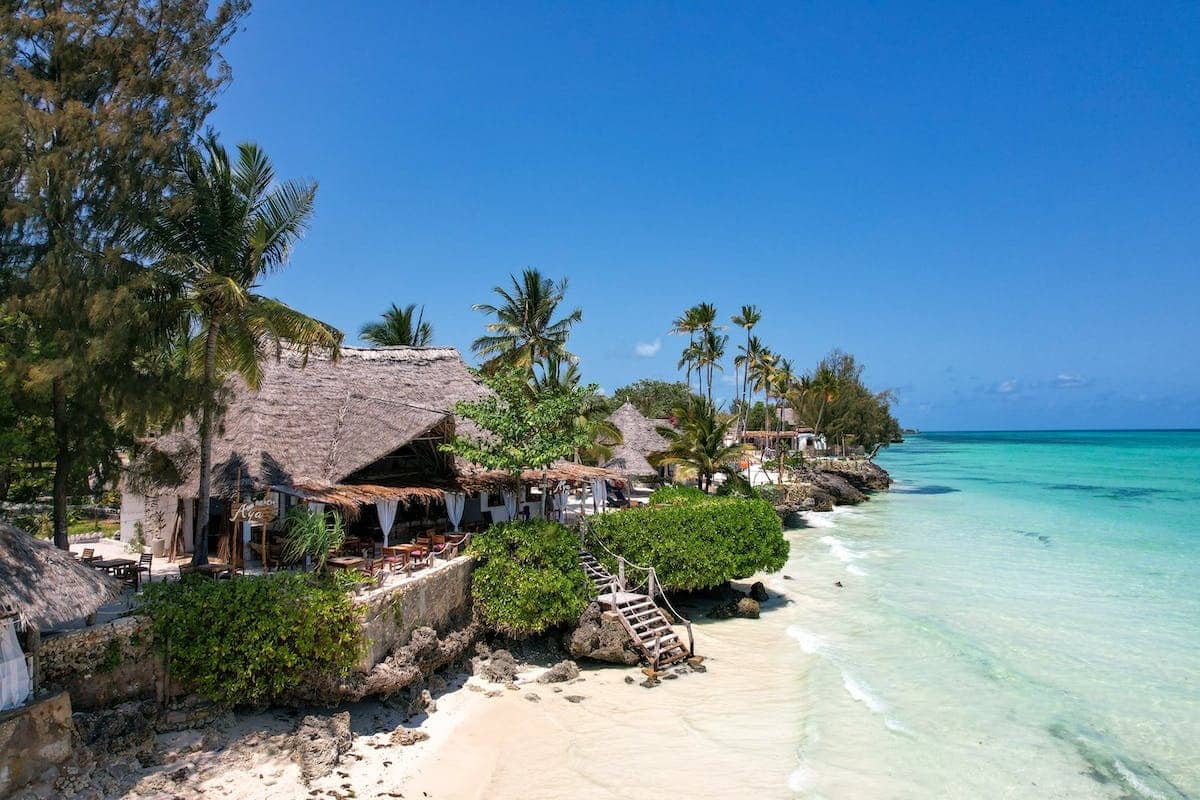
The beaches of Zanzibar are renowned worldwide for their breathtaking beauty. With crystal-clear waters of sparkling blue, immaculate white sand, and lush vegetation as a backdrop, they offer a true tropical paradise for visitors seeking relaxation and escape.
Among the most famous is Nungwi Beach located in the north of the island. This picturesque beach is ideal for sunbathing, snorkeling, or participating in boat excursions to observe dolphins in their natural habitat. The spectacular sunsets over the bay add a romantic touch to this unforgettable experience.
Paje Beach, on the other hand, is known to be a true paradise for water sports. With favorable winds year-round, it attracts kitesurfing and windsurfing enthusiasts from around the world who come to enjoy the perfectly suited conditions for these exciting activities.
For those seeking a more peaceful and secluded atmosphere, Matemwe Beach offers a tranquil refuge away from the tourist crowds. Here, you can relax in your own private cocoon facing the Indian Ocean without being disturbed by the hustle and bustle of the outside world.
But these are just a few examples among many, as Zanzibar is filled with a multitude of other equally stunning beaches: Kendwa Beach with its low tide revealing beautiful natural pools, Jambiani Beach with its traditional fishing villages, or Bwejuu Beach with its endless beach perfect for long walks with your feet in the water.
The island also offers the opportunity to venture underwater to discover the wonders of the marine world. Diving enthusiasts will find their happiness among the colorful coral reefs that are home to a varied marine life including tropical fish, turtles, and manta rays. Unforgettable experiences await those who wish to explore these preserved seabeds.
To add a touch of adventure to your stay in Zanzibar, don’t miss the chance to take an excursion to the nearby archipelago of Mnemba Islands. These small paradise islands offer an idyllic setting to relax on secluded beaches while enjoying exceptional marine biodiversity during a snorkeling or diving outing.
Whichever beach you choose, you will certainly be amazed by the incomparable natural beauty that Zanzibar offers. The spectacular landscapes combined with the laid-back lifestyle make this destination a true tropical haven where it is good to recharge away from the hectic pace of daily life.
Zanzibar is much more than just a tourist destination: it is a true hidden gem offering its visitors a unique experience combining fascinating history and paradisiacal scenery. The island’s beaches are simply breathtaking and invite you to enjoy unforgettable moments of relaxation. Whether you are seeking adventure, tranquility, or simply rest in the sun, Zanzibar will meet all your expectations with its enchanting charm. So don’t hesitate and let yourself be seduced by the enchanting magic of this paradisiacal destination.
Explore the Exceptional Flora and Fauna of Zanzibar
The island of Zanzibar is not limited to its idyllic beaches; it also houses exceptional flora and fauna that will delight nature lovers. Its preserved natural reserves offer a rich and diverse ecosystem where it is possible to observe unique endemic species.
Among the natural treasures of Zanzibar is the Jozani-Chwaka Bay Forest. This forest reserve covers an area of 50 km² and constitutes the last vestige of the country’s indigenous forests. Here, you can discover the famous red colobus, a tree-dwelling monkey with striking reddish fur that lives exclusively in this region.
While exploring the Menai Bay Marine Reserve, you will have the chance to see dolphins playing in the turquoise waters. This protected area is also known to be a true sanctuary for sea turtles. Observing these magnificent marine creatures in their natural habitat is an unforgettable experience that raises awareness of the importance of preserving these threatened species.
Bird lovers will be delighted by the ornithological richness that Zanzibar offers. The archipelago is home to over 200 different species, some of which are endemic to East Africa such as the dark flycatcher and the melodious bush warbler. The mangrove located on the east coast is particularly conducive to birdwatching with its lush vegetation and salt marshes.
To discover the underwater wonders of Zanzibar, a boat trip to Mnemba Island is a must. This small paradise island is home to preserved coral reefs where colorful fish, sea turtles, and stingrays coexist. Whether snorkeling or scuba diving, let yourself be dazzled by the vibrant beauty of this aquatic world.
For botany enthusiasts, the Forodhani Botanical Garden located in Stone Town is a must-visit. This historic garden houses an impressive collection of tropical plant species such as majestic palm trees, rare orchids, and even the famous traveler’s tree with elongated leaves that resemble the sails of a ship.
The exceptional flora and fauna of Zanzibar offer an immersive experience in the heart of preserved nature. It is a true enchantment for the senses that also raises awareness of the crucial importance of protecting these fragile ecosystems in the face of current environmental challenges.
Whether you are passionate about marine biodiversity or fascinated by floral diversity, Zanzibar will meet all your expectations. Explore this unique island where every corner holds a natural treasure waiting to be discovered. A total immersion in this preserved natural environment awaits you during your stay in Zanzibar, bringing to life the earthly paradise you have long dreamed of.
The Spices of Zanzibar: A Unique Sensory Experience
The enchanting landscapes of Zanzibar are not only a feast for the eyes; they also offer an unforgettable sensory experience thanks to the richness of the spices that grow on this blessed land. Known as the “spice island“, Zanzibar has been one of the world’s leading spice producers for centuries.
During a visit to the spice plantations of Zanzibar, you will be enveloped by the heady aromas that float in the air. The exotic scents of cloves, cardamom, cinnamon, and pepper will fill your senses, transporting your mind into a captivating olfactory whirlwind.
The spice cultivation in Zanzibar dates back several centuries. Majestic trees laden with colorful fruits still testify to the glorious past of this thriving industry. You will have the privilege of observing local farmers carefully harvesting these natural treasures and sharing their ancestral know-how passed down through generations.
Once you have explored the plantations and discovered the complex process of spice production, it will be time for you to fully appreciate the flavors during a traditional Zanzibari meal. The local cuisine skillfully blends African, Arab, and Indian influences to create delicious spicy dishes that will delight your adventurous palate.
Among the popular culinary specialties are pilau, a spiced rice dish with multiple flavors, and Zanzibar biryani, an explosion of flavors where meats, vegetables, and spices come together. Don’t miss the chance to taste exquisite tropical fruits such as juicy mangoes or sweet pineapples that grow abundantly on this fertile island.
Beyond taste and smell, spices also play an important role in traditional medicine in Zanzibar. The locals have used these natural plantations for centuries to treat various ailments. During your visit, you may have the opportunity to learn more about the medicinal virtues hidden behind each aromatic plant.
Spices are undeniably at the very heart of the cultural and historical identity of Zanzibar. They have shaped its economy and cuisine while contributing to creating a unique atmosphere that stimulates all your senses.
An exploration of the natural wonders as well as the intoxicating fragrances of the spice plantations is essential during a visit to Zanzibar. Come discover how these small botanical miracles have profoundly marked this paradisiacal island and let yourself be carried away by their captivating sensory magic.
Craftsmanship and Local Culture: A Living Heritage to Discover on the Island of Zanzibar
On the island of Zanzibar, craftsmanship is a vibrant reflection of the local cultural richness. The inhabitants proudly uphold the ancient traditions and pass on their artisanal know-how from generation to generation.
As you stroll through the bustling streets of traditional villages, you will discover a profusion of colorful shops displaying artisanal treasures. Zanzibari artisans are renowned for their exceptional mastery of woodworking, weaving a unique story through their delicate sculptures and beautifully crafted furniture.
Local materials such as mpingo (ebony), mahogany, and doum palm are skillfully used to create strikingly beautiful objects. Whether it’s expressive tribal masks, exquisite wooden jewelry, or intricately carved boxes, each piece is imbued with a living artistic heritage that reflects the cultural richness of Zanzibar.
Weaving is also a renowned craft on this paradise island. Zanzibari women often spend several hours meticulously weaving baskets from dried coconut leaves or creating beautiful textiles known as ‘kanga’. These colorful textiles not only carry strong symbolic meaning but also represent a true textile masterpiece.
Pottery, on the other hand, is another emblematic craft of Zanzibar. Local potters use traditional techniques to shape stunning clay pieces, ranging from pots and vases to kitchen utensils. Each piece bears the unique imprints of local artisanal know-how.
Beyond the artisanal objects themselves, craftsmanship in Zanzibar offers a unique opportunity to establish a direct connection with the local community. You can visit the workshops where these passionate artisans bring their creations to life and even participate in hands-on sessions to discover their craft for yourself.
By purchasing directly from local artisans on the island of Zanzibar, you not only support sustainable economic development but also help preserve the unique cultural heritage that makes this paradisiacal destination renowned.
Whether it’s a beautifully crafted artisanal souvenir or simply an enriching experience with Zanzibari artisans, exploring local craftsmanship during your trip to Zanzibar will allow you to take home much more than just a material object: a living part of the island’s cultural and artistic heritage.