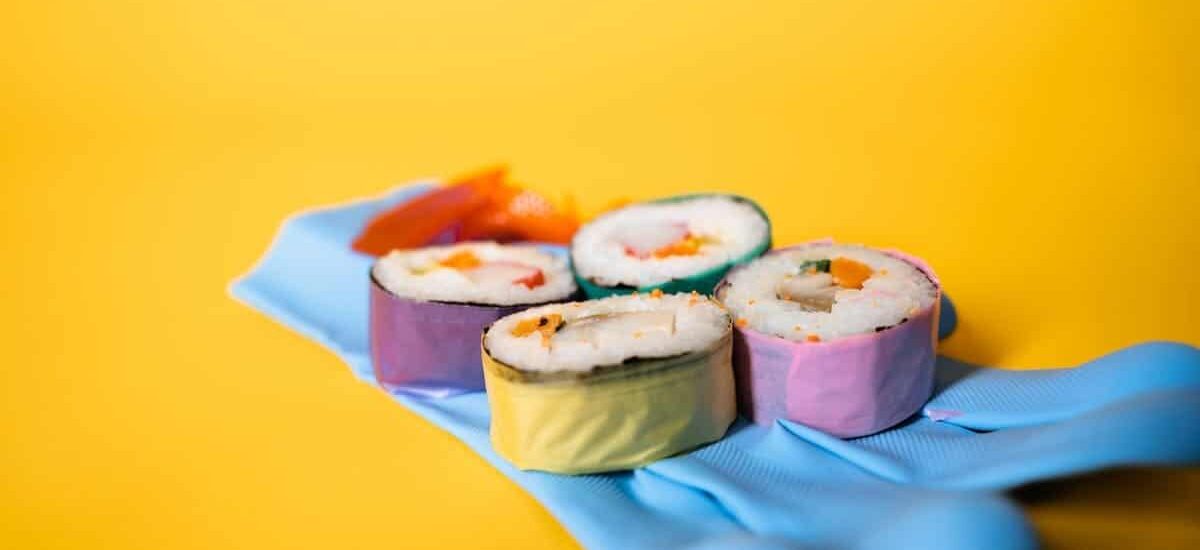
Are you considering a Japanese evening at home but tired of the traditional sushi rice? Or are you simply curious to explore new flavors to spice up your favorite Japanese recipes? Sushi rice, while a staple of sushi and other culinary delights from the Land of the Rising Sun, is not the only option available to you. There are a multitude of alternative grains that can be used to create authentic Japanese dishes with a fresh twist. Let yourself be guided toward new culinary experiences.
Origins of Sushi Rice: A Millennia-Old Culinary Heritage
The origins of sushi rice date back over 2,000 years, when Japan imported this precious grain from China. It was not until the 9th century that the vinegar fermentation technique was introduced, allowing for the creation of sushi as we know it today. The rice used for sushi is called ‘what rice for sushi’ and is characterized by its short, sticky grains that give it a fluffy texture.
Despite its undeniable popularity in Japanese cuisine, sushi rice has some drawbacks. It contains a large amount of starch that can be difficult to digest for some sensitive individuals or those with digestive disorders. It is also quite caloric due to its high carbohydrate content.
Fortunately, there are several alternatives to sushi rice that can bring not only interesting variety to traditional Japanese recipes but also various nutritional benefits.
Quinoa is one of the most popular options when it comes to alternatives to sushi rice. Native to the South American Andes, this pseudo-grain is naturally gluten-free and is an excellent source of complete proteins as well as other essential nutrients like iron and dietary fiber. Its slightly nutty flavor adds a delicious dimension to sushi while offering an impressive health profile.
Another interesting alternative is buckwheat, which despite its name does not contain wheat and is also gluten-free. Native to Central Asia, buckwheat is rich in antioxidants, fiber, and minerals such as magnesium and zinc. Its rustic flavor and slightly crunchy texture make buckwheat an interesting choice to diversify your Japanese recipes.
Beyond these two popular options, there are many other alternatives to sushi rice that deserve exploration. Millet, for example, is a small seed with multiple nutritional benefits due to its richness in B vitamins as well as iron and magnesium.
Drawbacks of Sushi Rice: When Health and Digestion Are at Stake
It should be noted that sushi rice also has some disadvantages. Its preparation can be complex and requires a certain mastery of techniques to achieve the perfect texture. Its cooking time is often longer than that of other alternative grains.
Another drawback of sushi rice is its content of rapidly absorbed carbohydrates which can lead to a rapid increase in blood sugar levels in sensitive individuals or those with diabetes. The use of pesticides in conventional rice farming can be a concern for those who prefer organic food or wish to minimize their exposure to chemical residues.
Although rice is naturally gluten-free, there is a potential risk of cross-contamination when it is grown near crops containing wheat or other gluten-containing grains. This can pose a challenge for individuals with celiac disease or gluten intolerance.
In light of these drawbacks, exploring alternatives to sushi rice proves to be an interesting option to diversify your Japanese recipes while benefiting from the nutritional advantages they offer.
Quinoa: A Healthy and Nourishing Alternative for Sushi
Quinoa, native to South America, is a healthy and nutritious alternative to traditional sushi rice. This small seed with multiple benefits is appreciated for its richness in high-quality plant proteins. Indeed, quinoa contains all the essential amino acids necessary for our body.
Its slightly nutty flavor and fluffy texture make it a perfect ingredient to accompany your Japanese recipes. It is an excellent source of dietary fiber that promotes satiety and helps regulate intestinal transit.
Compared to the classic white rice used in traditional sushi, quinoa offers a superior nutritional profile. It contains more minerals such as magnesium, iron, and zinc, as well as beneficial B complex vitamins for our health.
Cooking quinoa for your sushi is simple: start by rinsing the seeds to remove their naturally bitter coating called ‘saponin’.
Buckwheat: A Gluten-Free Choice for Rice Intolerants
Buckwheat, also known as black wheat, is an ideal gluten-free alternative for those intolerant or sensitive to gluten. Native to Central Asia, this grain offers numerous nutritional advantages and provides a unique flavor to your Japanese recipes.
Although its name may be misleading, buckwheat is not actually a wheat but rather a seed belonging to the polygonaceae family. This characteristic makes it a perfect choice for those looking to avoid gluten.
Beyond its gluten-free advantage, buckwheat is packed with essential nutrients such as high-quality plant proteins and dietary fiber. It is also rich in minerals such as magnesium, copper, and manganese.
Its rustic and slightly nutty flavor adds a delicious touch to traditional Japanese recipes. To prepare sushi rice with buckwheat, simply soak the seeds for a few hours until they become tender.
Other Alternatives: Explore the Many Options for Your Sushi
After buckwheat, another interesting alternative to sushi rice is quinoa. This small seed from the Andes is not only gluten-free but also very nutritious.
Quinoa is often considered a superfood due to its richness in complete proteins and essential amino acids. It also contains a significant amount of dietary fiber, B and E vitamins, as well as minerals such as iron and magnesium.
By using quinoa to prepare your sushi, you will benefit from a superior nutritional intake while adding a slightly crunchy texture to your rolls.