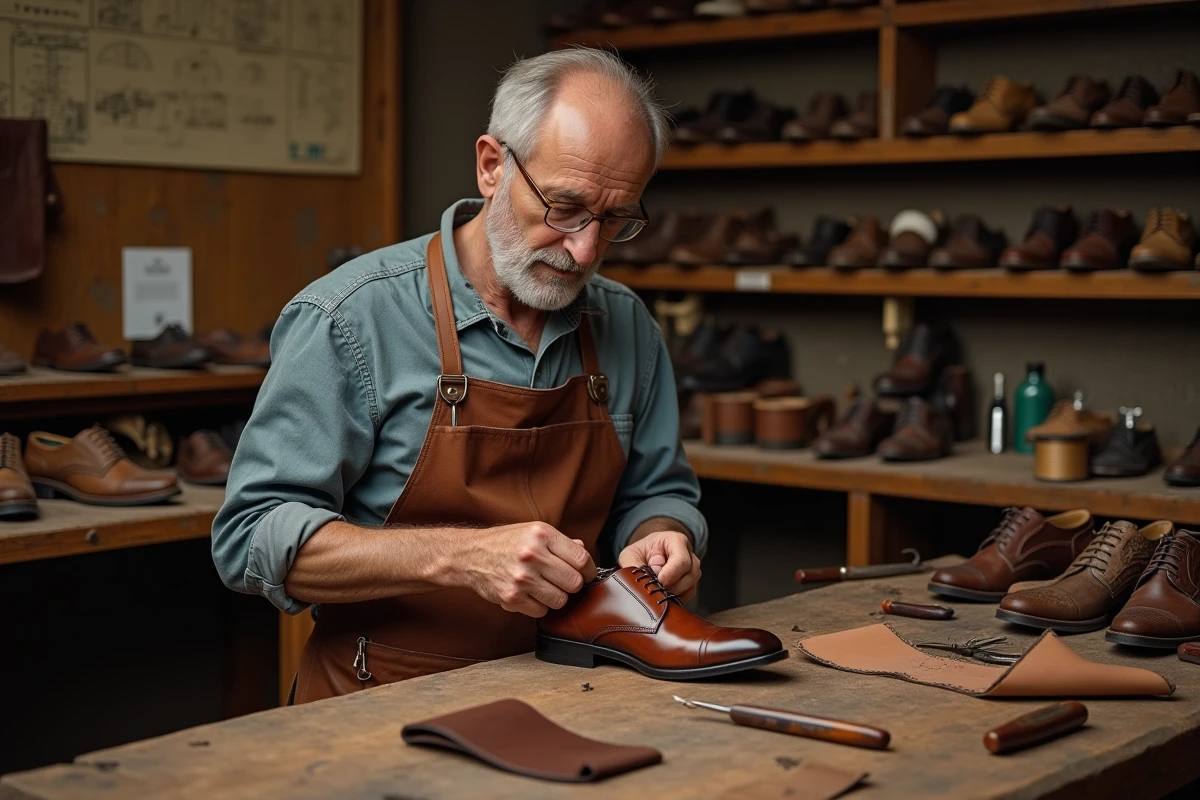
Comparing shoe manufacturing countries involves measuring variables that do not change at the same pace: labor costs, access to raw materials, technical expertise, logistical timelines. China dominates global production in volume, but this position says nothing about the final quality of a pair. For a brand looking to source quality shoes, the choice of manufacturing country is based on a trade-off between these criteria, not on a single ranking.
Comparison of shoe-producing countries: strengths and limitations
| Country | Dominant specialty | Main advantage | Main limitation |
|---|---|---|---|
| Italy | Luxury shoes, high-end leather | Artisanal expertise, brand prestige | High production costs, limited volumes |
| China | All segments, from low to mid-range | Massive industrial capacity, competitive prices | Variable quality image, logistical dependency |
| Vietnam | Sneakers, sports shoes | Rapid upgrading, technological investments | Developing logistical infrastructure |
| Portugal | Medium-high range leather shoes | European proximity, careful finishes | Moderate production capacity |
| Turkey | Women’s shoes, mid-range collections | Responsiveness, quality close to European standards | Less known internationally |
| Indonesia | Sport and casual shoes | Cost/industrial capacity compromise | Underrepresented in traditional sourcing circuits |
This table highlights a often overlooked point: no country accumulates all the advantages. Italy excels in prestige but cannot absorb large volumes. China produces on a large scale, but quality varies significantly from one factory to another. The choice depends on the brand’s positioning and the type of shoe targeted.
To delve into the origin of Geox and Kazar shoes, two brands that exemplify this multi-country sourcing logic, one must look beyond the label.
Turkey and Indonesia: two underestimated alternatives in shoe manufacturing
Comparisons focus on the China-Italy-Vietnam trio. Two countries deserve a deeper analysis.
Shoe manufacturing in Turkey
Turkey is establishing itself as a hub for women’s shoes and mid-priced collections. The quality of manufacturing is described as close to European standards, with a clear logistical advantage for brands based in Europe. Production and delivery times are shorter than from Southeast Asia, allowing for quick responses to trends.
The Turkish positioning is not centered on volume. Manufacturers focus more on order flexibility and customization, two criteria sought by fashion brands that renew their collections several times a year.
Shoe manufacturing in Indonesia
Indonesia remains underrepresented in mainstream comparisons, while it regularly appears in industry overviews in Southeast Asia. It offers a compromise between cost and industrial capacity that distinguishes it from the China/Vietnam duo. For brands looking to diversify their suppliers without sacrificing volumes, Indonesia represents a concrete option.
Italian leather versus Asian production: what quality really measures
The opposition between Italian leather and Asian manufacturing structures most debates. It masks a more nuanced reality.
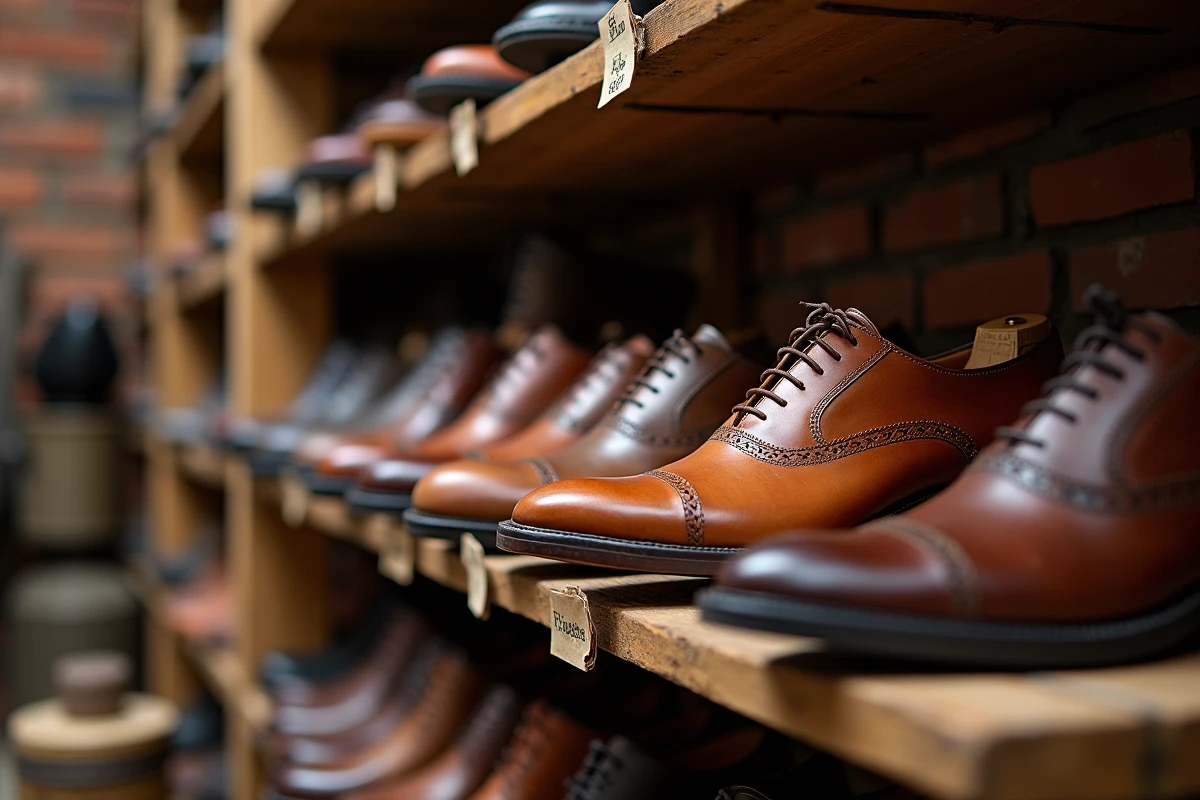
Italian leather benefits from an ancient tanning industry, with treatment processes that give the material its suppleness and durability. Italian prestige relies on mastery of the raw material as much as on assembly. Luxury brands that have their products made in Italy pay for this expertise, and volumes remain low compared to global demand.
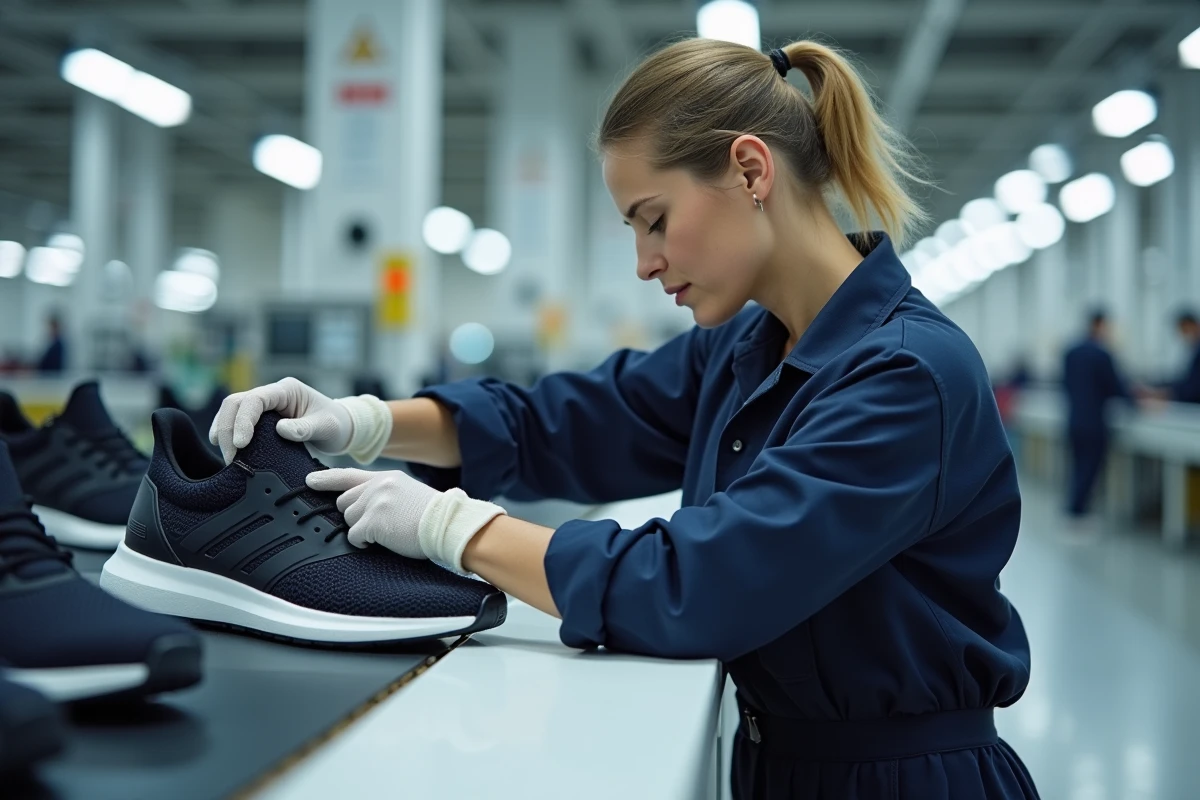
In Asia, the upgrading of Vietnam has changed the game. Recent technological investments allow some Vietnamese factories to produce sports shoes whose quality rivals Western standards. Vietnam attracts international brands that relocate part of their high-end production there, not just entry-level products.
Diversification of suppliers: the strategy replacing the “best country”
The global shoe market is shifting towards a logic of diversification rather than dependence on a single country. China remains dominant in volume, but its share is declining in favor of Vietnam and other Asian countries. Brands that concentrate their production in a single country expose themselves to logistical and regulatory risks.
This trend changes the way the question is posed. Rather than seeking the best country to manufacture quality shoes, brands reason by product type:
- High-end leather shoes: Italy or Portugal, for expertise and proximity to European markets
- Sneakers and sports shoes in large volumes: Vietnam or Indonesia, for industrial capacity and controlled costs
- Fast-renewal women’s collections: Turkey, for responsiveness and order flexibility
- Entry-level products in very large volumes: China, for production scale and prices
The best country depends on the specifications, not on an absolute ranking. A sneaker brand does not have the same needs as a luxury shoemaker. The type of shoe, the expected level of finish, the order volume, and the target market determine the choice of manufacturing country.
The only observable constant: brands that succeed in their sourcing are those that audit their factories on-site, regardless of the country. The quality of a shoe is verified at the end of the chain, not on a map.