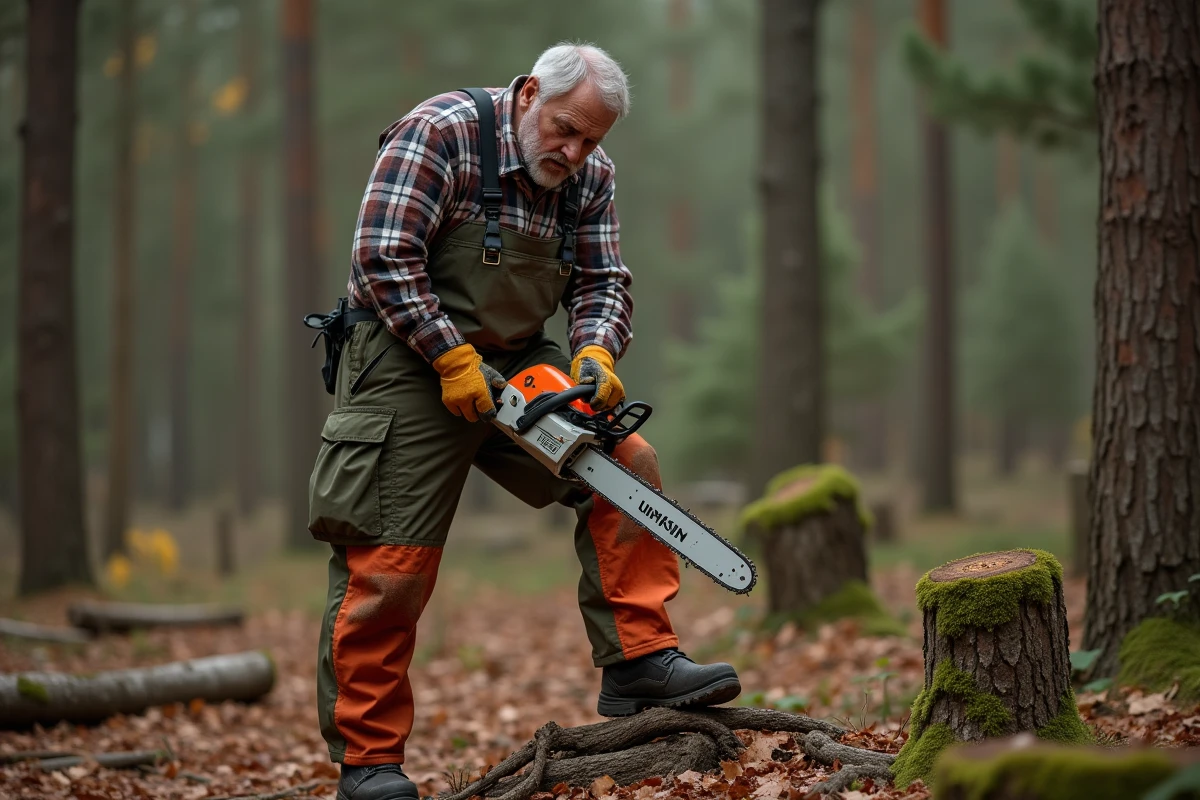
A chainsaw is defined by three technical components: a motor (gas, corded electric, or battery-powered), a guide bar whose length determines the maximum cutting diameter, and a chain whose profile affects the speed and precision of the work. Choosing the right chainsaw for your cutting tasks involves prioritizing these parameters according to the type of wood, frequency of use, and constraints of your environment.
Chain and guide bar: the technical parameters that determine cutting
Before comparing motors, it is essential to understand what actually cuts. The chain carries sharp links, and the pitch (distance between the teeth) and profile determine the aggressiveness of the cut. A fine pitch produces a smoother cut, suitable for precision pruning. A wide pitch removes more material per turn, which is suitable for large sections of hardwood.
The guide bar sets the maximum cutting depth. A short guide (around 35 cm) is sufficient for medium-diameter branches and routine maintenance. A longer guide is necessary for felling or cutting thick logs, but it adds weight to the machine and requires more motor power to maintain a proper chain speed.
The automatic chain lubrication has become a standard feature on most recent models. This mechanism reduces wear and limits overheating during cutting. Ensure that the chain oil reservoir is accessible and that its capacity matches that of the fuel tank or battery, to avoid running dry without realizing it.
The guides and resources available on tronconneuse.xyz detail these technical specifications by model, making comparison easier before purchase.
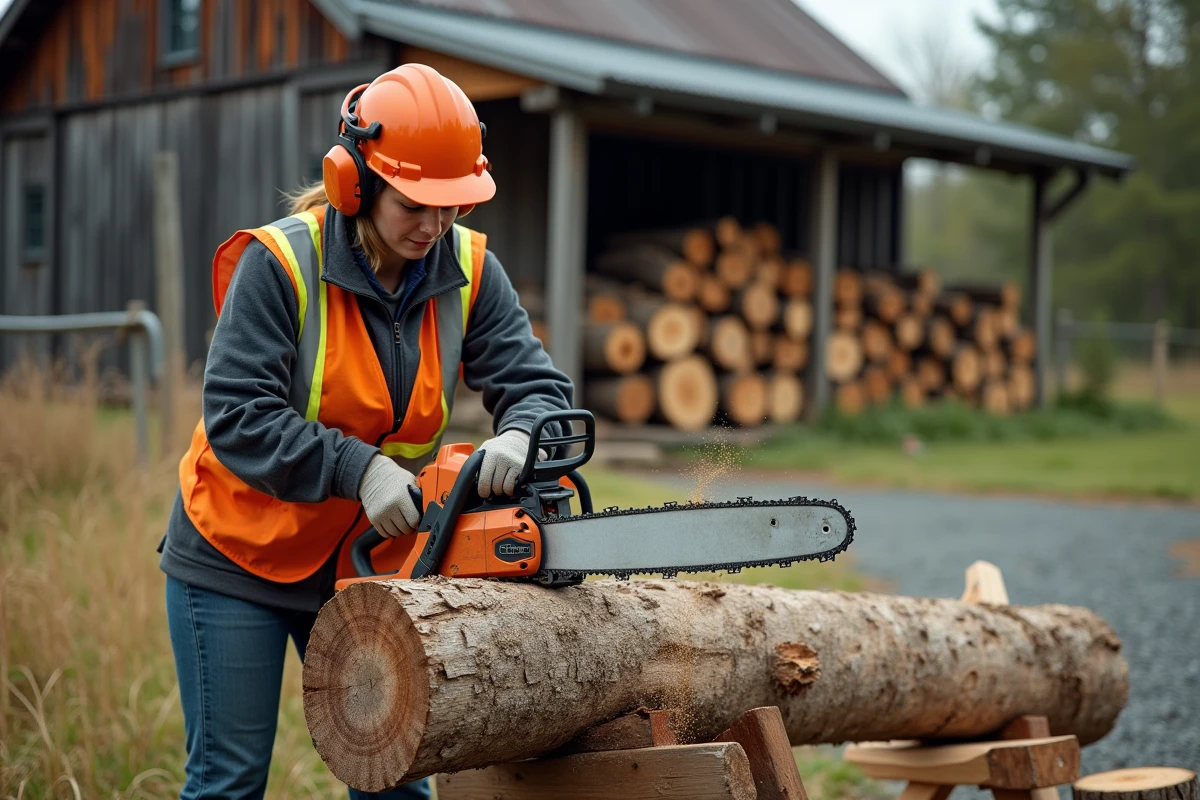
Gas, battery, or corded electric: which type of chainsaw for which use
Motor type is not a quality criterion; it is a criterion of suitability. Each technology corresponds to a specific usage scope.
Gas chainsaw: power and autonomy for heavy work
The two-stroke gas engine remains the reference for felling large-diameter trees, processing firewood in quantity, and prolonged interventions in remote areas. Autonomy depends solely on the fuel tank, eliminating the constraint of recharge time. Brands like Husqvarna, Stihl, or Echo offer ranges covering from demanding homeowners to professional foresters.
The downside: a higher weight, a noise level that often requires hearing protection, and regular engine maintenance (spark plug, air filter, carburetor).
Battery chainsaw: the fastest-growing segment
Battery chainsaws are no longer limited to light gardening. Recent comparisons highlight high chain speeds and 35 cm guide bars on credible models for regular maintenance. The choice is now based on a battery ecosystem: if you already own battery tools from the same brand, buying the “solo” chainsaw (without battery or charger) reduces the acquisition cost.
The battery is suitable for limbing, maintaining an orchard, and cutting small to medium diameter wood. For long working sessions or thick sections, battery capacity remains the limiting factor.
Corded electric chainsaw: a local use
Connected to the mains, it offers constant power without autonomy limits, but the extension cord restricts the working radius. This type is suitable for occasional cuts near a building. Its purchase price is the lowest of the three categories.
Safety and comfort criteria for choosing a chainsaw in 2024
Raw power is not enough to define a good chainsaw. The criteria that make a difference in daily use focus on reducing fatigue and preventing accidents.
- The weight of the machine affects the manageable working duration. A chainsaw that is too heavy for the user increases the risk of losing control, especially in overhead pruning positions.
- The chain brake, activated by inertia or manually, stops the chain in a fraction of a second in case of kickback. All recent models are equipped with this feature, but check its proper functioning before each use.
- The anti-vibration system reduces the transmission of shocks to the arms and hands. For cutting sessions exceeding half an hour, this point becomes crucial for joint comfort.
- The manufacturer’s warranty, sometimes extended to several years on certain consumer models, reflects the manufacturer’s confidence in the machine’s durability.
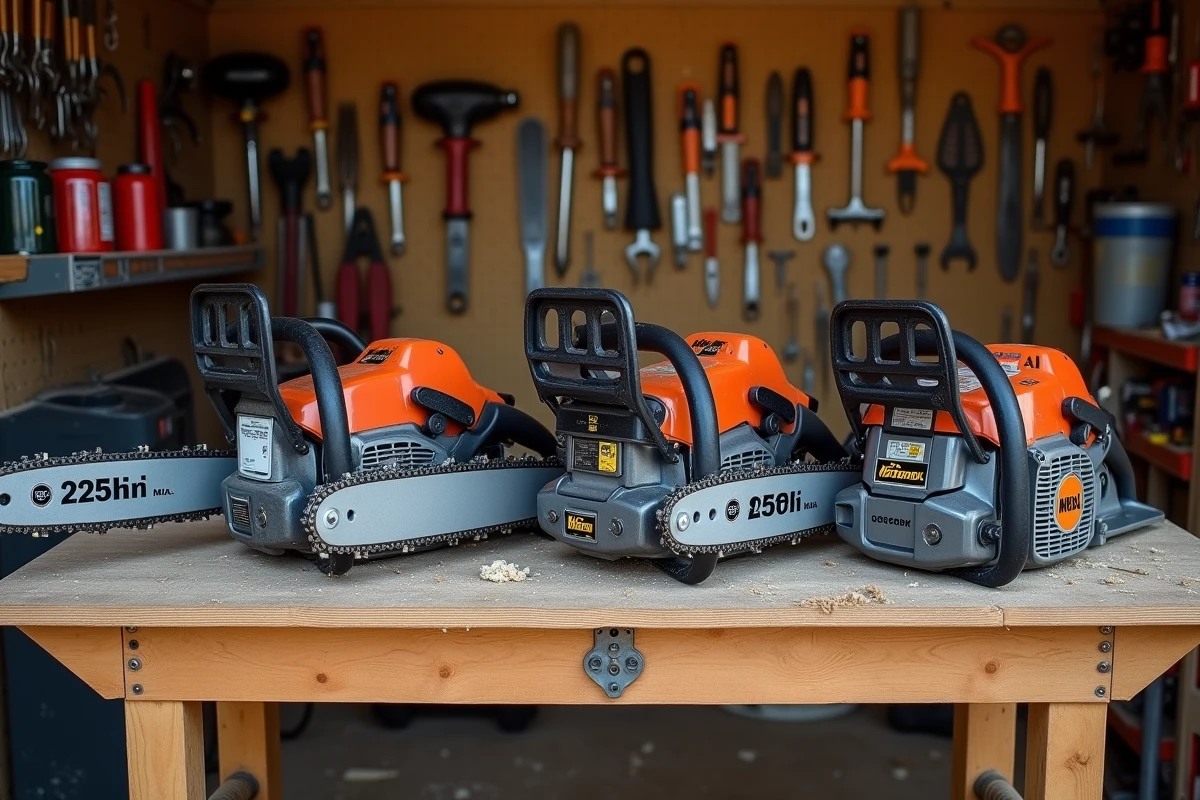
Regular maintenance of a chainsaw: what prolongs its lifespan
Sharpening the chain is the most frequent and often neglected maintenance task. A dull chain strains the motor, increases energy consumption, and produces fine sawdust instead of clean chips. Chips that turn to dust indicate a chain that needs immediate sharpening.
On a gas model, a clogged air filter reduces engine performance and increases fuel consumption. Cleaning after each prolonged session prevents gradual clogging of the carburetor. The spark plug should be replaced at regular intervals, according to the manufacturer’s recommendations.
On a battery model, maintenance focuses on the chain, guide, and oil level for lubrication. The absence of a gas engine eliminates the constraints related to fuel and filters, simplifying overall maintenance.
Choosing a chainsaw in 2024 comes down to a question of suitability between the diameter of wood to be cut, frequency of use, and the existing tool inventory. A well-sized, properly maintained model suited to the working environment will serve for many years, regardless of the chosen motorization.