Learning to ride a bike, a rite of passage for many children, often raises questions among parents about the ideal age to introduce their offspring. When is a child ready to trade the four wheels of their tricycle for the two wheels of a bike? This question deserves thorough investigation. Based on scientific research, the experiences of parents and professionals, this exploration delves into this important aspect of childhood, aiming to provide clear answers and concrete recommendations to help parents make the best possible decision for their child.
Learning to Ride a Bike from Childhood to Adulthood
The ‘bike without training wheels age’ is a crucial milestone in a child’s development. It is the precise moment when a child begins to ride a bike without training wheels, typically between three and six years old. This transition to the ‘bike without training wheels age’ has many advantages.
One of the main benefits associated with the ‘bike without training wheels age’ is that it significantly contributes to the development of gross motor skills and coordination in children. This learning is not limited to physical aspects but also boosts their self-confidence. Indeed, successfully pedaling independently for the first time is a great achievement that can have a major impact on their self-esteem.
Moreover, encouraging children to cross the threshold of the ‘bike without training wheels age’ early in their lives can also foster environmentally friendly behaviors later in life. Using an alternative, non-polluting means of transport like a bike presents an excellent opportunity to educate young generations about the importance of preserving our environment.
However, it is important to remember that each child develops differently, and some may take more or less time to reach this famous ‘bike without training wheels age’. Forcing this stage could create a negative experience associated with cycling, which would of course be counterproductive when trying to encourage a positive relationship with this beneficial physical activity both individually and collectively.
In summary, gradually introducing our little ones to this important milestone of the ‘bike without training wheels age’ not only helps establish healthy habits early in their lives that may last a lifetime; but it also – very concretely – prepares these future responsible adults for ecological challenges tomorrow.
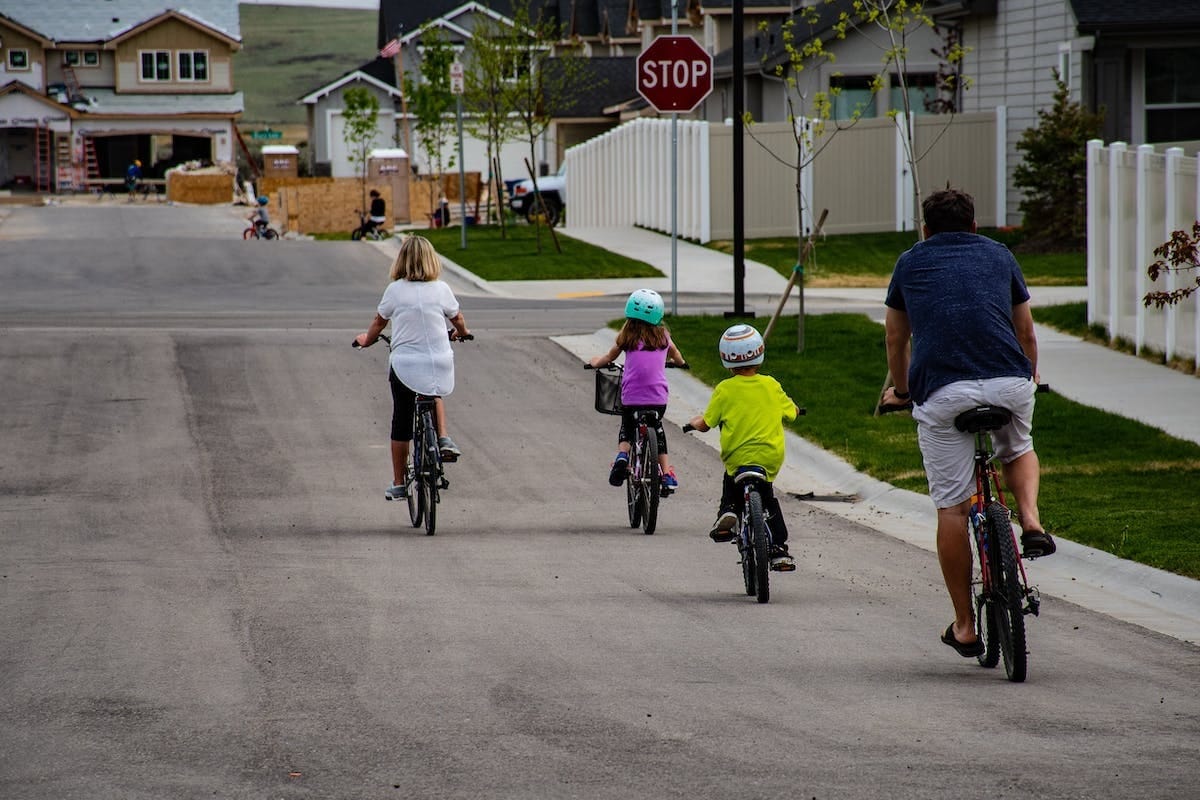
Teaching Kids to Ride a Bike: Challenges and Strategies
When it comes to learning to ride a bike, it is essential to instill the safety rules from the very beginning to avoid any accidents.
Make sure your child wears a properly fitted helmet. Wearing a helmet can really make a difference in terms of protection in case of a fall or accident. Also, explain the importance of knee pads and elbow pads to protect their joints.
Ensure that the place where you introduce your child to biking is safe. A clear area, free of car traffic and dangerous obstacles, is ideal. An empty bike path or a quiet park can be safe options to start.
Safety: A Crucial Issue in Learning to Ride a Bike
The long-term benefits of early bike learning for children are numerous and significant. Indeed, this physical activity promotes muscle development and motor coordination in young children.
Learning to ride a bike at a young age allows children to develop their balance and agility. When they pedal, they engage their leg muscles as well as their core muscles to maintain a stable position on the two-wheeler. This greatly contributes to overall muscle strengthening.
Early bike learning also encourages fine motor coordination in children. They must synchronize their movements between pedal rotation, steering direction, and overall balance to move forward smoothly. This complex coordination stimulates neural connections in their brains, thereby enhancing their cognitive abilities.
Riding a bike can be an excellent source of cardiovascular exercise for young children. Regular pedaling increases their heart rate and strengthens their cardiorespiratory system while promoting good blood circulation throughout the body. This helps maintain a good level of physical endurance in children.
Beyond the obvious physical benefits, early bike learning also offers significant psychological benefits for children. It greatly boosts their self-confidence when they successfully master this new skill. The feeling of freedom and independence they experience while pedaling alone enhances their self-esteem.
Riding a bike can be a great way for children to socialize and interact with their peers. They can join local cycling clubs or groups, participate in group outings, or simply share their passion with other children in the neighborhood. This socialization fosters the development of social skills in young cyclists.
Early bike learning presents a multitude of long-term advantages for children. Beyond the simple pleasure it provides, this physical activity stimulates muscle development, fine and cardiorespiratory motor coordination while enhancing self-confidence and allowing children to form meaningful social connections. It is essential to encourage this mode of transportation from a young age so they can reap all these benefits throughout their lives.
The Lasting Benefits of Early Bike Learning for Children
The ideal age to introduce children to biking is a topic that generates much debate among parents and experts. Some argue that it is better to wait until the child has developed a certain motor coordination before teaching them to ride a bike, while others claim it is better to start at a younger age.
One of the reasons cited by those advocating for early learning is that young children tend to be more flexible and less fearful when it comes to taking on new challenges. Their brain plasticity allows them to learn quickly and effectively, making it easier to acquire the skills necessary to ride a bike. They are generally less likely to be afraid of falling or getting hurt, which makes the learning process less stressful for both them and their parents.
There are also arguments in favor of a later start in learning to ride a bike. Some experts point out that by waiting until the child is a bit older – around 4 or 5 years old – they will have developed better overall motor coordination as well as a greater understanding of the instructions given by their parents or teachers. This could make learning to ride a bike faster and without unnecessary frustrations.
It is important to remember that each child is different and develops their motor skills at their own pace. Therefore, there is no universal rule regarding the ideal age to introduce a child to biking. It is crucial to assess the child’s maturity to tailor the learning experience to their specific needs.
Regardless of the chosen age, it is essential to be patient, encouraging, and supportive during the first experiences on a two-wheeler. Using appropriate equipment such as protective helmets and knee pads can also help ensure the child’s safety and confidence during this important stage.
There is not really a universal ideal age to introduce children to biking. Each child is unique and develops differently. Whether it is early learning or late, what matters most is respecting each child’s individual pace, as well as their motivation and enjoyment in discovering the wonderful world of cycling.